Nature Friends LA Botanical Garden
From Fire Recovery to Native Habitat
After the Eaton Fire, the north side of the Nature Friends LA property was left badly damaged, including the garden areas around the former clubhouse. In the middle of that loss, Director Zak Clark saw an opportunity to restore the land in a way that would be beautiful, useful, and rooted in the natural character of Sierra Madre Canyon.
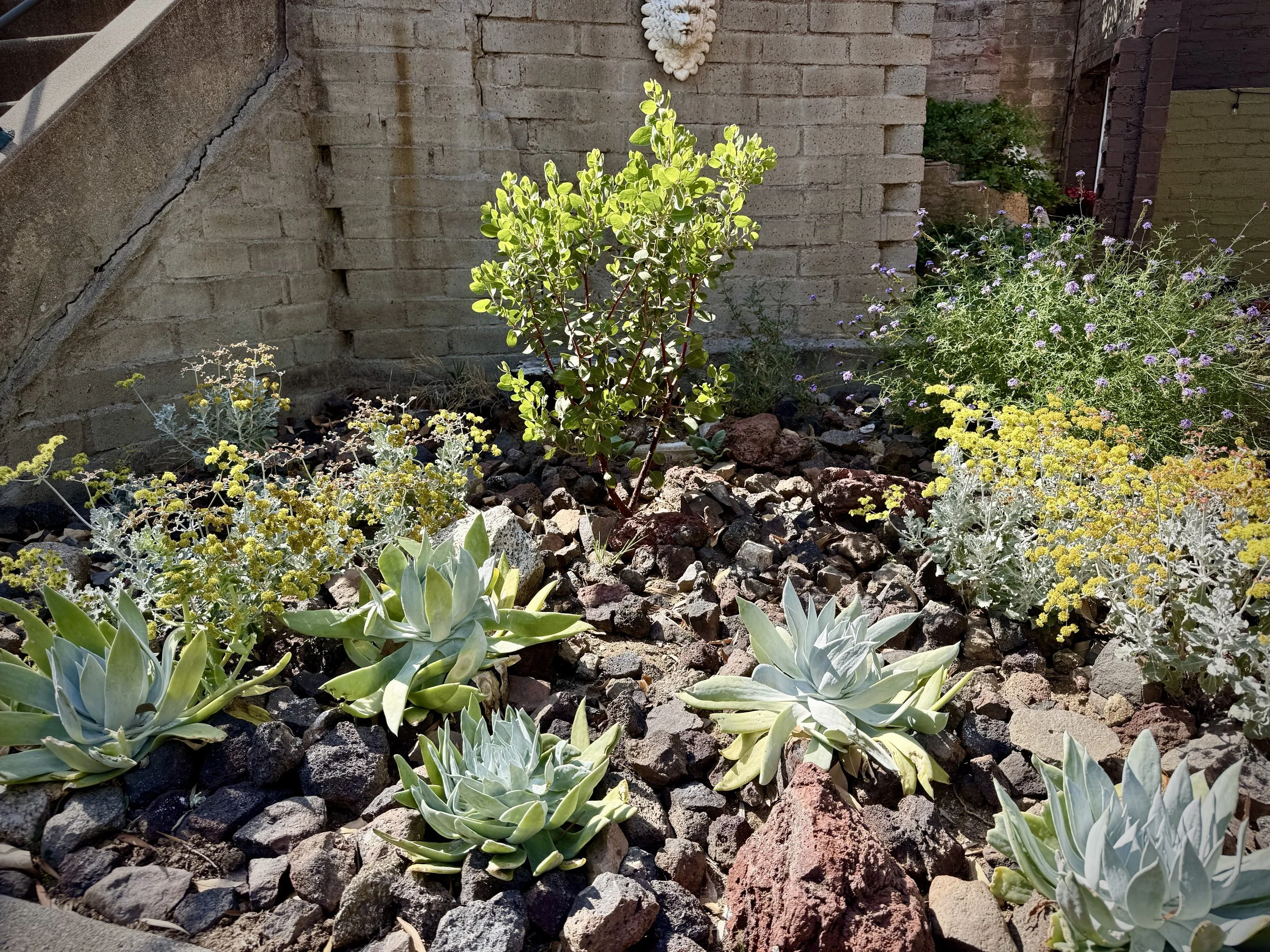
Zak started the idea of creating a small native plant garden on the property, and new member Jeff Cain brought the knowledge and hands-on experience needed to help bring it to life. Jeff selected the plants, helped design the space, and worked with members to plant hundreds of California native plants across the property.
What began as a recovery effort soon became a small botanical garden: a living space where members, guests, and visitors can experience native plants, learn about local ecology, and enjoy the quiet beauty of the canyon. Nature Friends LA is also part of the American Public Gardens Association, a professional network of public gardens, botanical gardens, arboreta, and horticultural organizations.
Today, the garden is both a symbol of recovery and a practical part of the property’s future. It supports birds, insects, reptiles, squirrels, and other wildlife, while also creating a beautiful natural backdrop for weddings, gatherings, and community events. More than a garden, it is a way of turning loss into renewed purpose.
Native Plants Support a Living Habitat
The Nature Friends Native Plant Garden was planted with a wide range of California native species chosen to fit the canyon setting, support wildlife, and create a natural, resilient landscape. Plantings include species such as California buckwheat, white sage, black sage, Cleveland sage, hummingbird sage, California fuchsia, yarrow, deergrass, milkweed, manzanita, ceanothus, coffeeberry, toyon, elderberry, lemonade berry, monkeyflower, island mallow, penstemon, coyote brush, and native oaks.
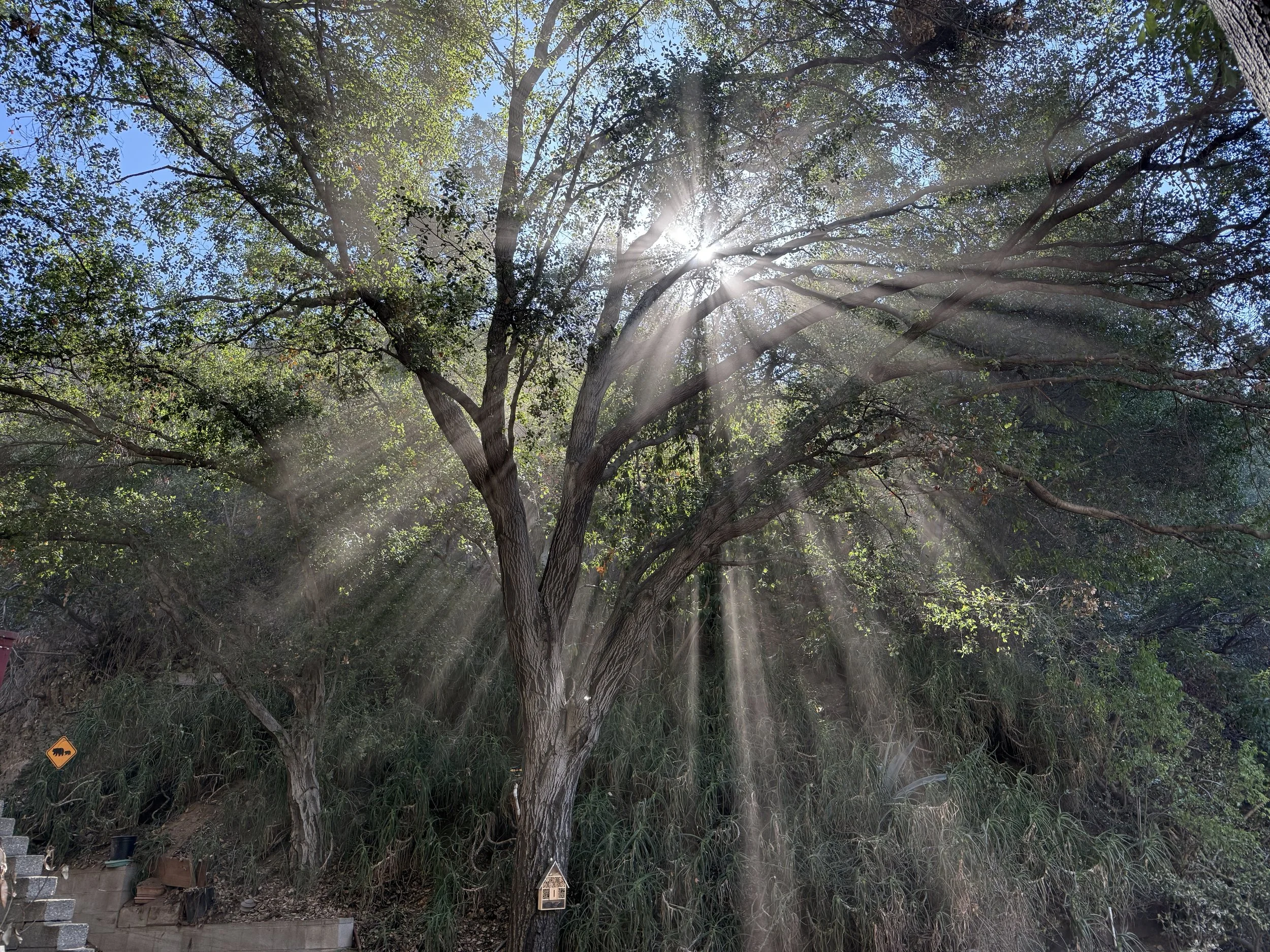
Native plants play an important role in restoring habitat because they are adapted to the local climate, soil, rainfall patterns, and wildlife. They require less water once established, help stabilize the soil, provide food and shelter for birds and insects, and support pollinators such as bees, butterflies, moths, and hummingbirds. Together, these plants help turn the garden into more than a landscaped space. They create a living habitat that supports the natural ecology of Sierra Madre Canyon.